Design Dossier
Why Brand Manuals Matter After the Launch
A brand launch tends to get the attention.
New logos, updated websites, fresh signage, and social announcements often mark the visible end of a branding project.
In practice, it’s usually the beginning.
The long-term success of a brand rarely depends on design alone.
More often, it depends on whether people know how to use the system after the project is complete. Teams change. Vendors change. New departments appear. Files get lost. Without structure, even strong identities begin to drift.
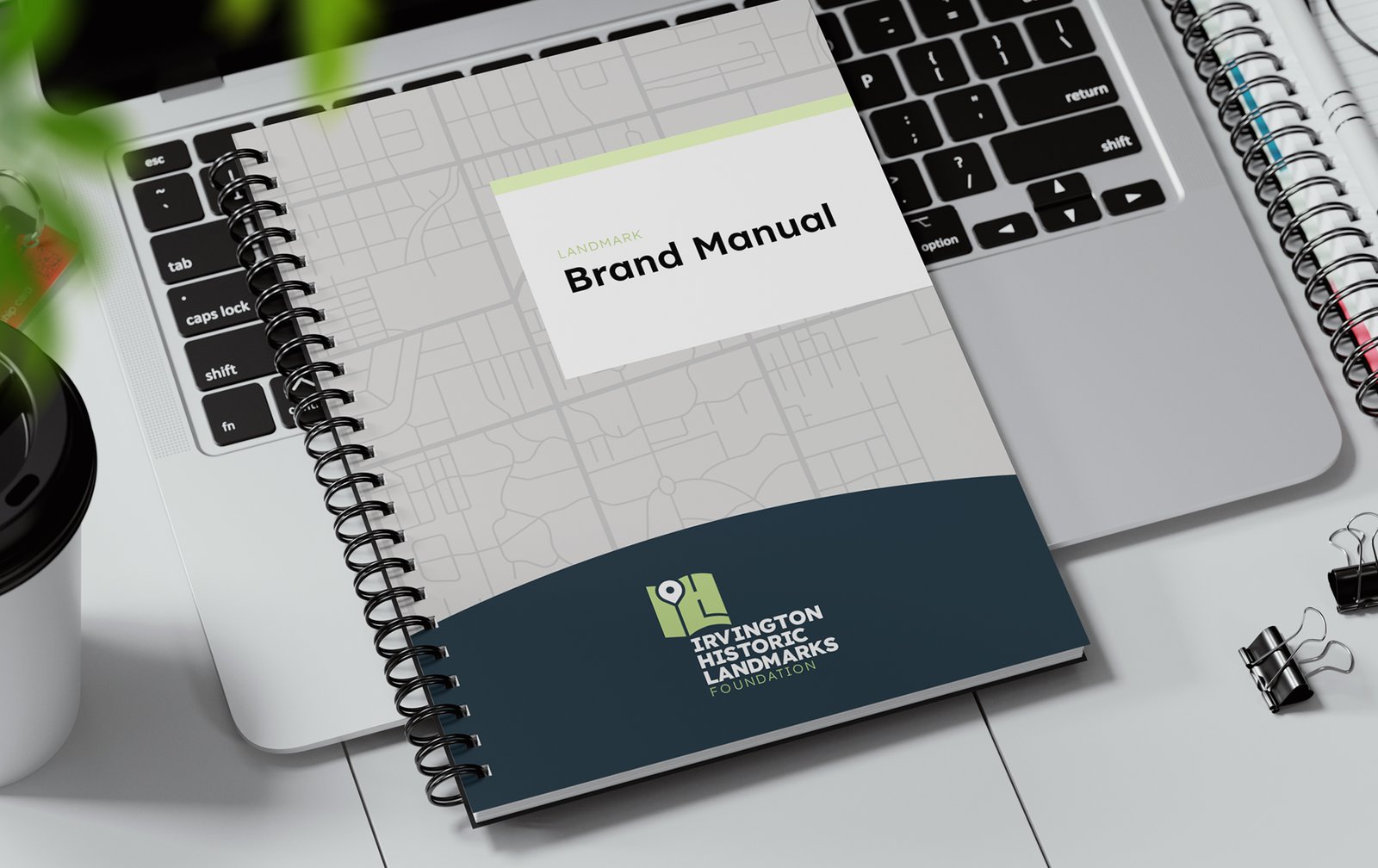
Brand guidelines are operating manuals.
At their best, brand guidelines are not restrictive documents or collections of arbitrary rules. They provide clarity for everyone responsible for carrying the brand forward, whether that’s an internal marketing team, an outside agency, a print vendor, or a new employee opening the files for the first time.
A useful manual answers practical questions.
Which logo should be used in this situation? What are the approved colors and typefaces? How should the brand appear on signage, apparel, or social media? What happens when the logo needs to work in a single color? Which elements are flexible, and which should remain consistent?
Most brand erosion happens gradually.
Good identity systems are built for real environments. They need to function on websites, presentation slides, conference banners, embroidered shirts, and printed materials that may be produced years after the original project.
Consistency is not about rigidity.
It’s about reducing friction. When teams have clear guidance, they spend less time guessing and more time communicating. Vendors make fewer mistakes. New materials feel like they belong to the same organization.
The brand becomes easier to maintain because the decisions have already been documented.
Designing the identity is only part of the work.
Documenting how it lives in the real world is what helps it last.