Design Dossier
Good Brands Evolve
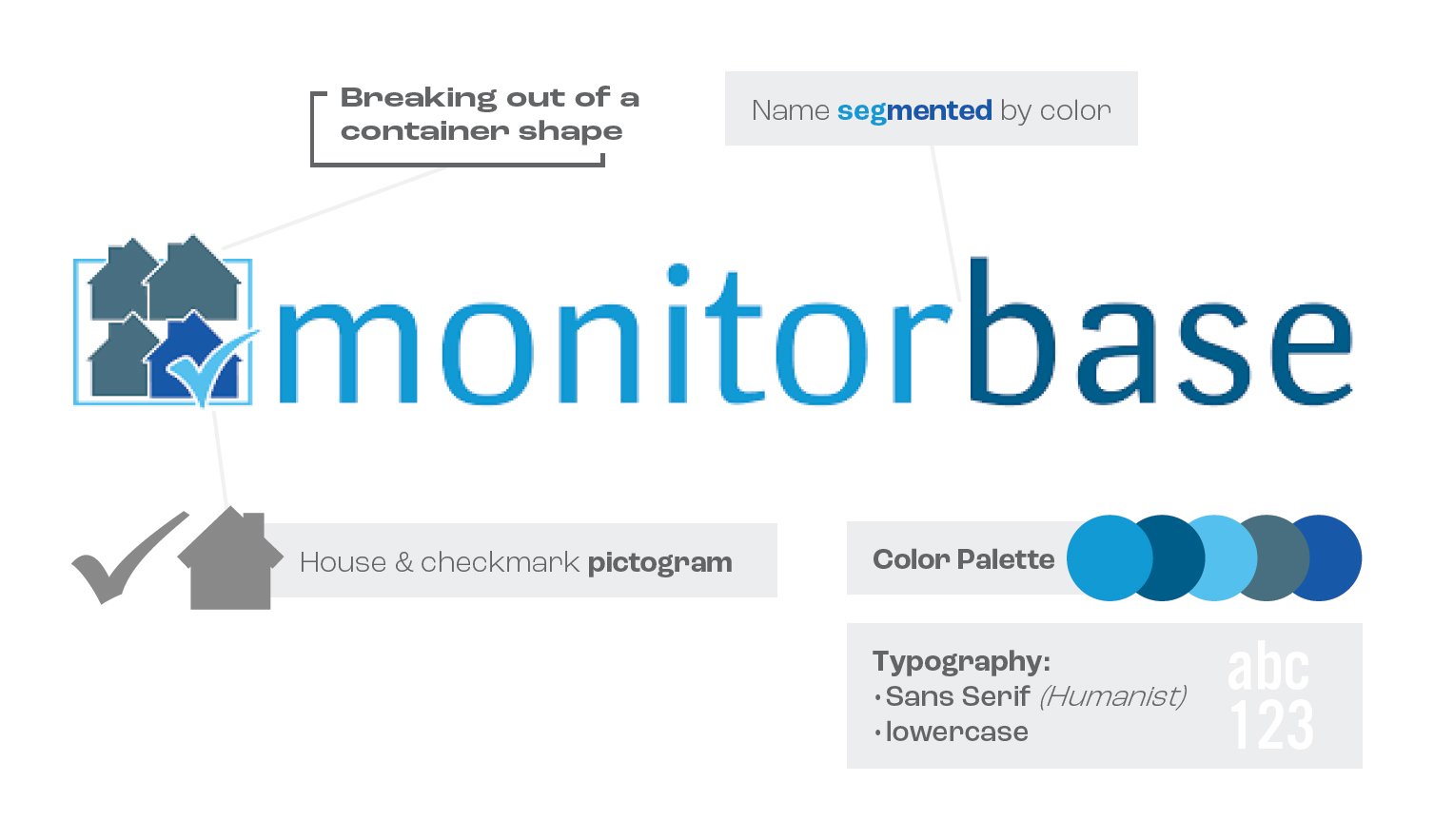
MonitorBase Decommission Brief
Every new identity begins with understanding the existing one.
No brand lasts forever.
Organizations grow. Leadership changes. Audiences shift. New services emerge. Sometimes a company expands beyond what its original identity was designed to support.
None of that means the original brand failed. In some cases, the opposite is true.
A brand may need to change because the organization has outgrown the assumptions it was built around. What once fit perfectly may no longer reflect the scale, complexity, or direction of the work.
Some brands evolve because they succeeded.
A rebrand is not always a correction. Sometimes it is an adaptation.
The best identity work rarely starts by asking what should be discarded. It starts by understanding what still holds value and what needs to evolve to support the next chapter.
The question is whether the current system still supports the work.
Sometimes the answer requires only small adjustments. Refined typography. Simplified visual elements. Updated color systems. Improved accessibility.
Other times, more significant changes are necessary to support where the organization is headed.
The goal is not change for its own sake.
The goal is alignment.
Durability does not mean permanence.
Good brands exist in the real world. They appear on buildings, reports, websites, vehicles, social posts, presentation decks, and countless other touchpoints.
Over time, those environments change.
Technology changes.
Expectations change.
Brand stewardship is about continuity.
The work is understanding what should remain, what should change, and how to ensure the next version still feels familiar to the people who rely on it.
Good brands carry something forward.